Dragon Gate
Sanctuary
Preserving the ancient traditions of martial, medical, and spiritual cultivation through the Wu Family Dragon Gate Lineage
Baguazhang
The Highest Expression of Martial Arts
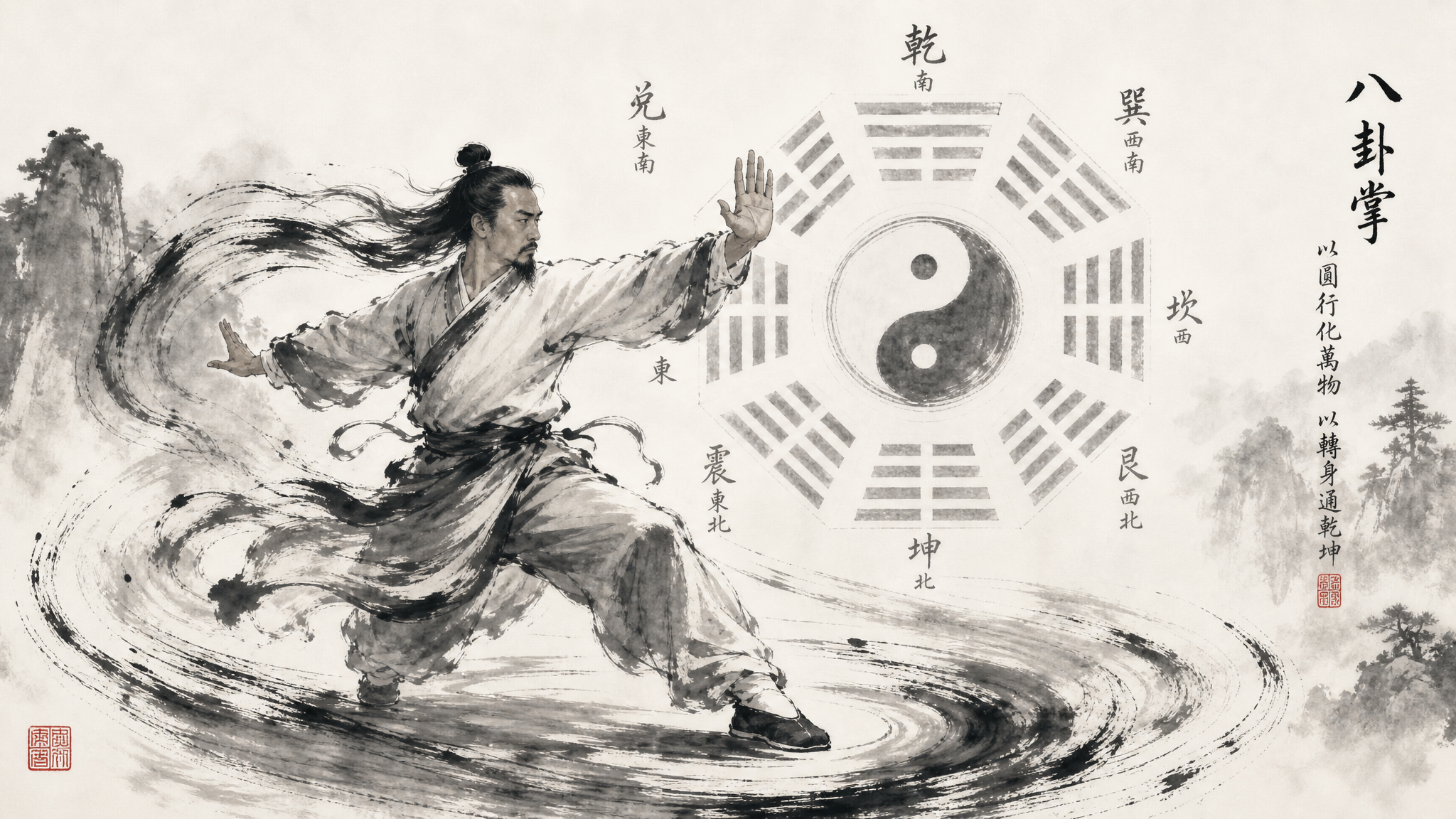
Baguazhang is, by reputation, the highest expression of martial arts. Bagua sword is the highest expression of Bagua. This art is as deep as the universe and a human being and is rooted in physical integrity and sincerity.
The origin of Bagua is Tibetan Bon Shamanism which includes the practice of walking circular mandalas, chanting mantras and holding mudras or sacred postures and hands. These practices also open gateways to the ancestors.
Bagua was born and developed in the Kunlun mountains of Tibet, which is famous for its magic and swordsmanship and is also the birthplace of Taoism. By legend, all sacred dance and martial arts originated from the root practice of Kunlun Bagua.
The Dragon Body
The first posture is the oldest form of qigong as well as the oldest form of prayer. Vajra Kshatriya body and hand mudras temper the connections to heaven and earth, creating the dragon body for kung fu.
Circle Walking
The practice of circle walking enables one to learn the way of the dragon and the spiritual pivot — The Big Dipper's revolution around the Pole Star. Pole star stepping is unique to Bagua.
64 Changes
The 64 changes of Bagua relate to the 64 codons of DNA. The 8 trigrams corresponding to the 8 forces of nature relate to the 8 psychic channels of the human body.
“We practice Bagua to show us how bad our kung fu is.” It is a very humbling practice, yet so beautiful — a magical dance of vortexes played in physical poetry.
Wudang Shamanism
The Dragon Gate Tradition
A Taoist Shaman in the Wudang Dragon Gate Tradition has great responsibilities. One's conduct represents the entire lineage. A Shaman in this tradition is always in training — cultivating knowledge and skill of restoring wholeness and balance through blessing, exorcism, qigong, counseling, meditation, and other practices.
As read in most classics, “One cannot fully master or comprehend the art without true transmission from the Master.” This statement is true for the arts that we practice.
Empowerments are given to pass abilities, lineage, knowledge, and energy from the master to student. This directly affects the student's ability to absorb, comprehend and demonstrate the art.
Transmission & Empowerment
The path begins with Lineage Transmissions. Empowerments pass abilities, lineage, knowledge, and energy from master to student through ceremony, laying of hands, through the eyes, or through a strike.
The Vajra Transmission
A seed of illumination is given to provide light where one is blind — a foothold as well as a foot in the door. Originally, vajra transmissions were given from shaman to shaman and from monk to monk to preserve a line of awakened during a dark period.
The Original Shaman
In the days of the original shaman, the environment, food and the body was pure. Energy flow was obvious. People were more in tune. They knew when their energy was disturbed before it became mental or physical.
Tibetan Bonpo
The Original Pre-Buddhist Practice of Tibet
Tibetan Bon Shamanism is the original pre-Buddhist practice of Tibet. Bon Shamans were master healers and doorways to other worlds. They walked a circle, held postures and mudras, and connected to the Lung Ta — windhorse, centrifugal and centripetal forces.
They healed with highly refined and cultivated energy wielded through sacred mudras, mantras and mandalas.
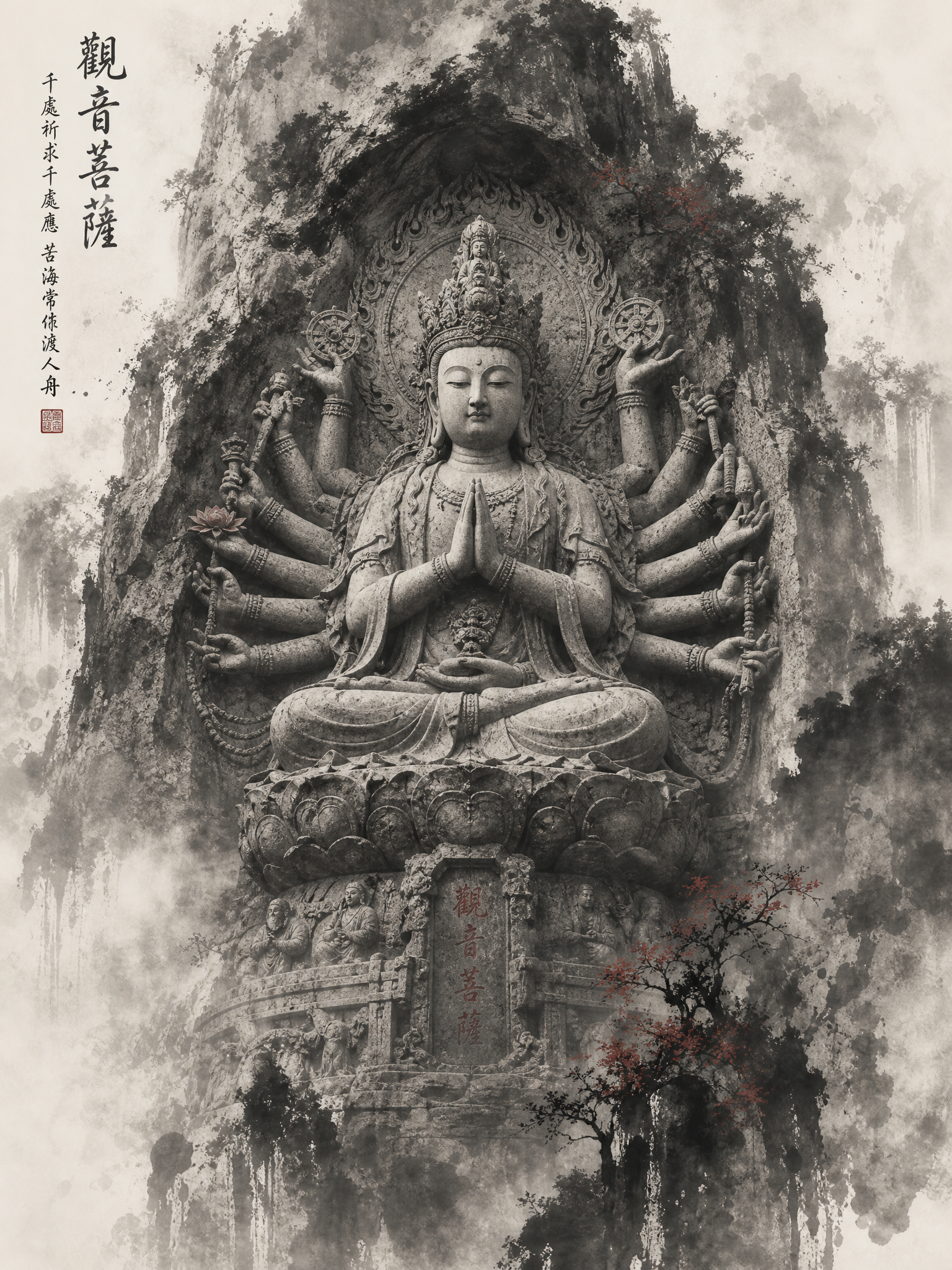
Sacred traditions of healing and spiritual cultivation
Kunlun Arts
The Kunlun Mountains are the pathway to the spine of heaven within
Kunlun Mountain Origin
Kunlun mountain is the origin of Bagua and Taoism. Its spontaneous and mysterious nature can only be experienced and requires total immersion in the dance of sacred calligraphy.
Flying Needles Medical Qigong
Through mind refinement comes qi refinement. Through tempering comes effortlessness. Energy mastery comes in using 5 percent — refinement and tempering result in a sharp, clear and effortless transformation.
Spiritual, Medical & Martial Qigong
One of the hardest systems to learn and master because of its spontaneous nature. Kunlun kung fu uses alignment with principles, elements, forces and played through formulas and templates spontaneously.
The Nature of Play
The word 'play' shows participation, engagement as well as enjoyment, passion, and genuinely wanting to be there. The techniques are solid and traditional, but expressed spontaneously in play.
Qigong Systems
Yamabushi Ryū Shugendō
Elemental Mastery Through Tantric Origins
Rooted in Tibetan Tantric origins through the Kunlun Black Dragon methods, the forms are elemental in nature and open the psychic channels and corresponding energy centers that relate to the shape of the tantric temples of Nepal and Tibet.
There are mudras called Kuji Kiri for each form or Katachi. The forms evolve from lines to angles to curves and circular and spiral forces. Each consecutive form influences the ones before it.
The Path of Self-Mastery
Each form manipulates the matching element in yourself and the opponent. The forms teach the practitioner about the elements of the body and how they work individually, and combined.
The path is self mastery through articulate knowledge applied to brilliant and skillful technique to achieve wisdom and compassion which bring enlightenment.
Tengu Swordsmanship
Training with the Mountain Spirits
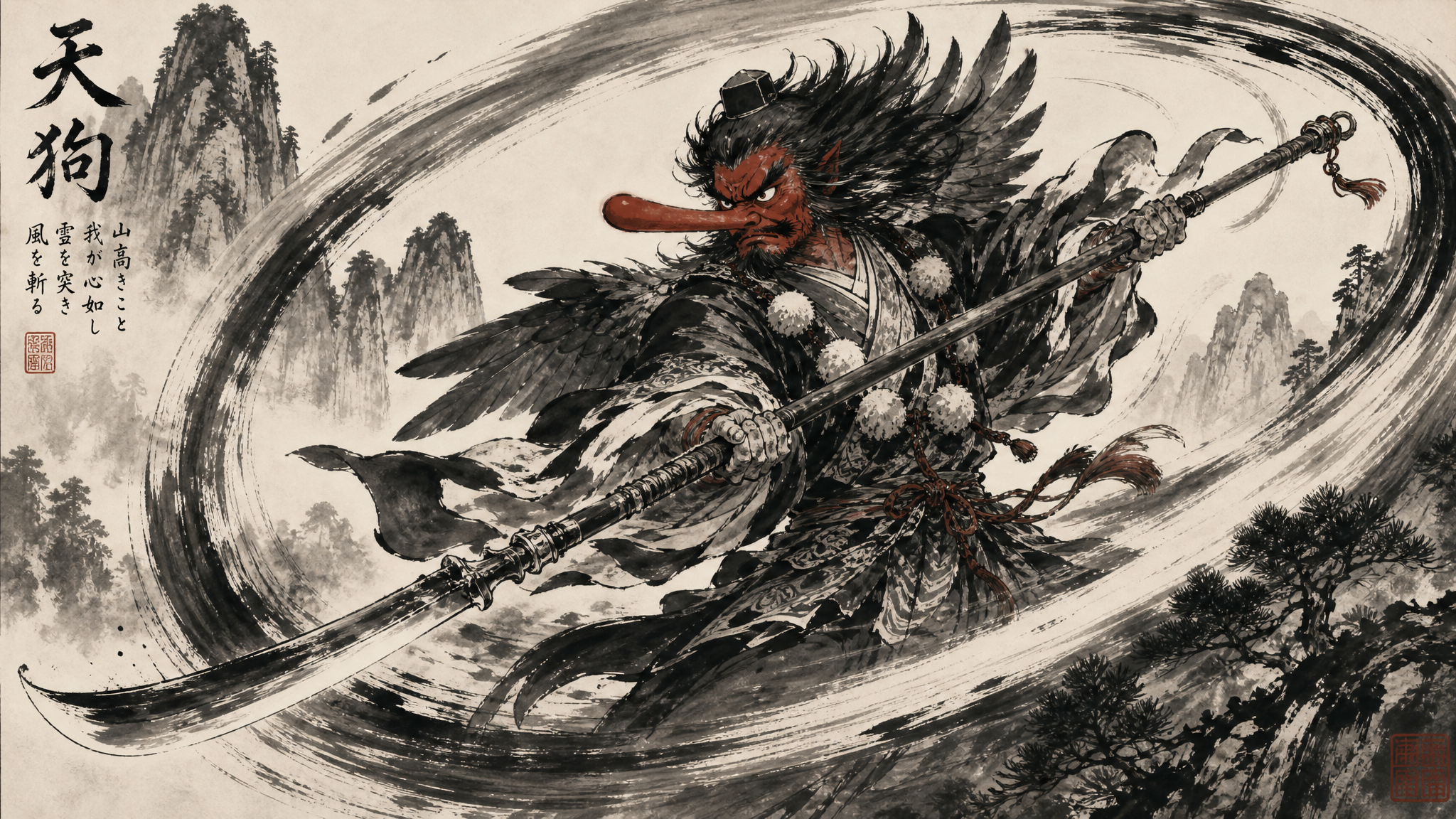
There is a rich history in Japan of masters training with Tengu. From Yoshitsune to O-Sensei Morihei Ueshiba, the Tengu has had a hand in training the greatest swordsmen in Japan.
The Tengu, by other cultural names such as Tengri, Lei Gung, and Garuda has also trained some of the great Mongolian, Taoist, and Vedic masters.
The Design
The Tengu sword was constructed with a curved blade like a samurai sword but with reversed proportions — one third blade and two thirds handle. This design allows extraordinary maneuverability and levering power.
Spinning Motion
The handle, being two thirds of the weapon, allows for the spinning and free flowing motion which allows the body's electromagnetic field to expand with charisma or blade energy.